
Skip to content
Home Crew Construction

Chimneys · Long Island

Chimney liner installation.

Chimney liner installation and repair for homes in Nassau and Suffolk County. The liner keeps heat, smoke and gases inside the flue and away from your house.

Get your free quote

Takes 30 seconds. We reply within 24 hours.

What do you need help with?
Your contact details

Project:

We only use your details to contact you about your project.

5.0 on GoogleCall 631-965-0881

A chimney liner is the channel inside the chimney that smoke and gases actually travel through. Most older masonry chimneys have clay tile liners, and some very old ones have none. When a liner cracks, or was never there, heat and gases reach the brick and the wood framing around it. Home Crew Construction installs and repairs chimney liners across Long Island, in Nassau County and Suffolk County, as part of our chimney services.

Quick answer: What does a chimney liner do?

A chimney liner, or flue liner, is the inner lining of a chimney. It keeps heat, smoke and gases away from the masonry and the wood framing around it, protects the brick from corrosive by-products, and helps the chimney draw. Home Crew Construction installs and repairs chimney liners for homes across Long Island.

How it works

Anatomy of a chimney.

Water is the main enemy of a masonry chimney. Each part keeps it out of a different spot.

Why a chimney liner matters
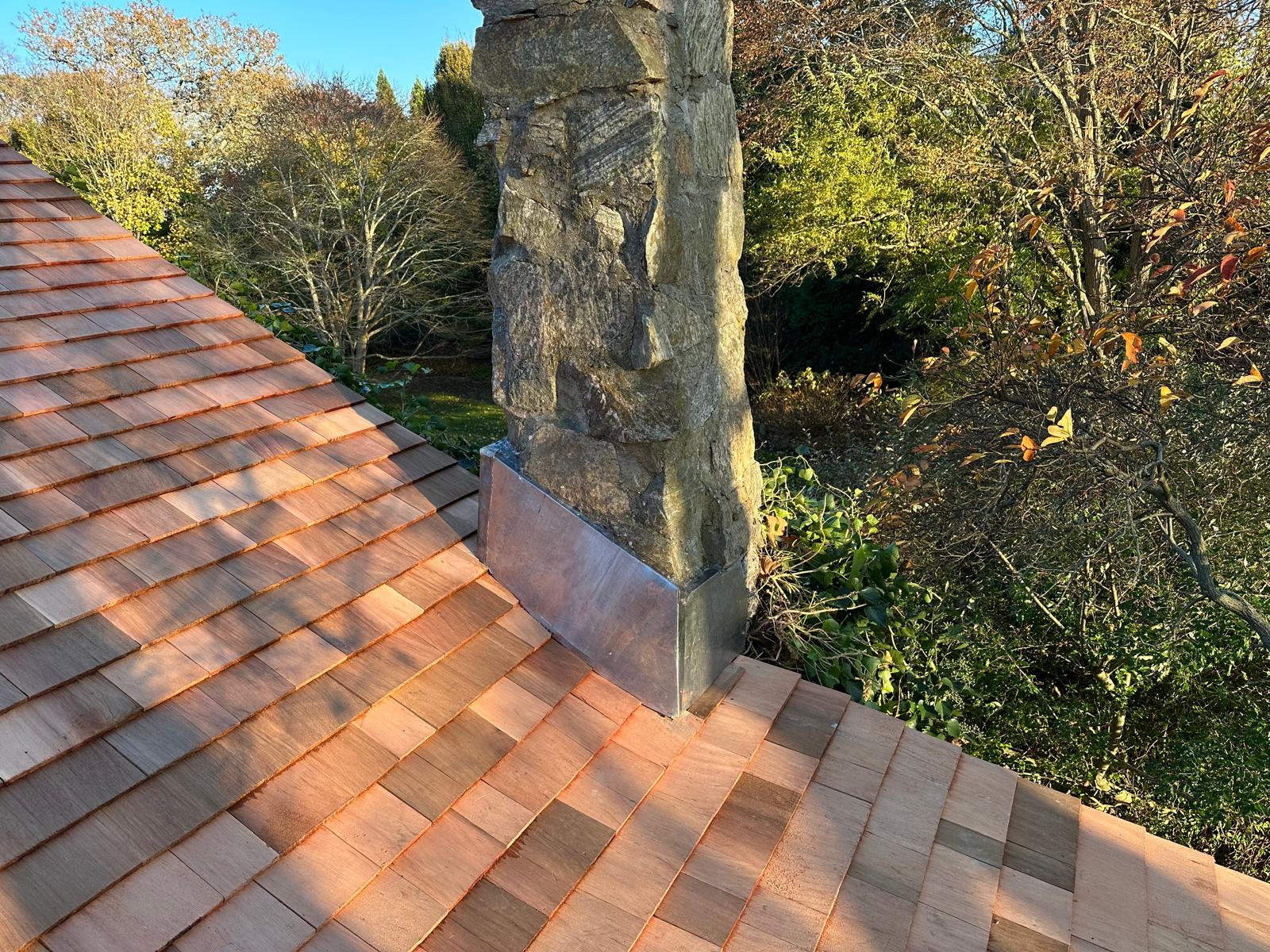
Stone chimney with new metal flashing where it meets a cedar shake roof
Stone chimney, new flashing· Home Crew Construction
  • Safety. A sound liner keeps heat away from the house framing and keeps smoke and carbon monoxide inside the flue.
  • Protection. Smoke and gas by-products are wet and acidic. The liner stops them eating away at the mortar and brick.
  • Draft. A liner sized to your fireplace or appliance helps the chimney draw, so fires burn better and smoke goes up instead of into the room.
  • Code. Building codes generally require a proper liner, especially when a new wood stove, insert or gas appliance is connected.

Signs you need a new chimney liner

Illustration · Flue linerThe lining inside the chimney that carries smoke and gases up and out safely.
  • Pieces of clay tile in the firebox or at the bottom of the flue.
  • Cracks or gaps between flue tiles, found during a sweep or inspection.
  • Smoke or odors getting into rooms near the chimney.
  • Water staining or white residue inside the fireplace.
  • You have had a chimney fire, even a small one.
  • You are adding or switching to a wood stove, insert or gas appliance.

Liner damage is usually hidden from view. It tends to be found during a chimney sweep and inspection, which is one more reason to have the chimney checked once a year.

Need help with chimney liners?

Free quotes, a reply within 24 hours, and we answer the phone 24/7.

5.0 on Google

What types of chimney liners are there?

There are three common types. The right one depends on your fireplace or appliance, the size and shape of the flue, and the condition of the chimney.

  • Stainless steel. A flexible or rigid metal liner run down the existing flue. The usual choice for relining, wood stoves, inserts and gas appliances.
  • Clay tile. The traditional liner in masonry chimneys. Long-lasting, but hard to replace in an existing chimney without taking it apart.
  • Cast-in-place. A cement-like mix formed inside the flue, which can also add strength to an older chimney.

We explain the options that fit your chimney and help you choose. There is no one-size-fits-all answer.

Liners for wood stoves, inserts and gas appliances

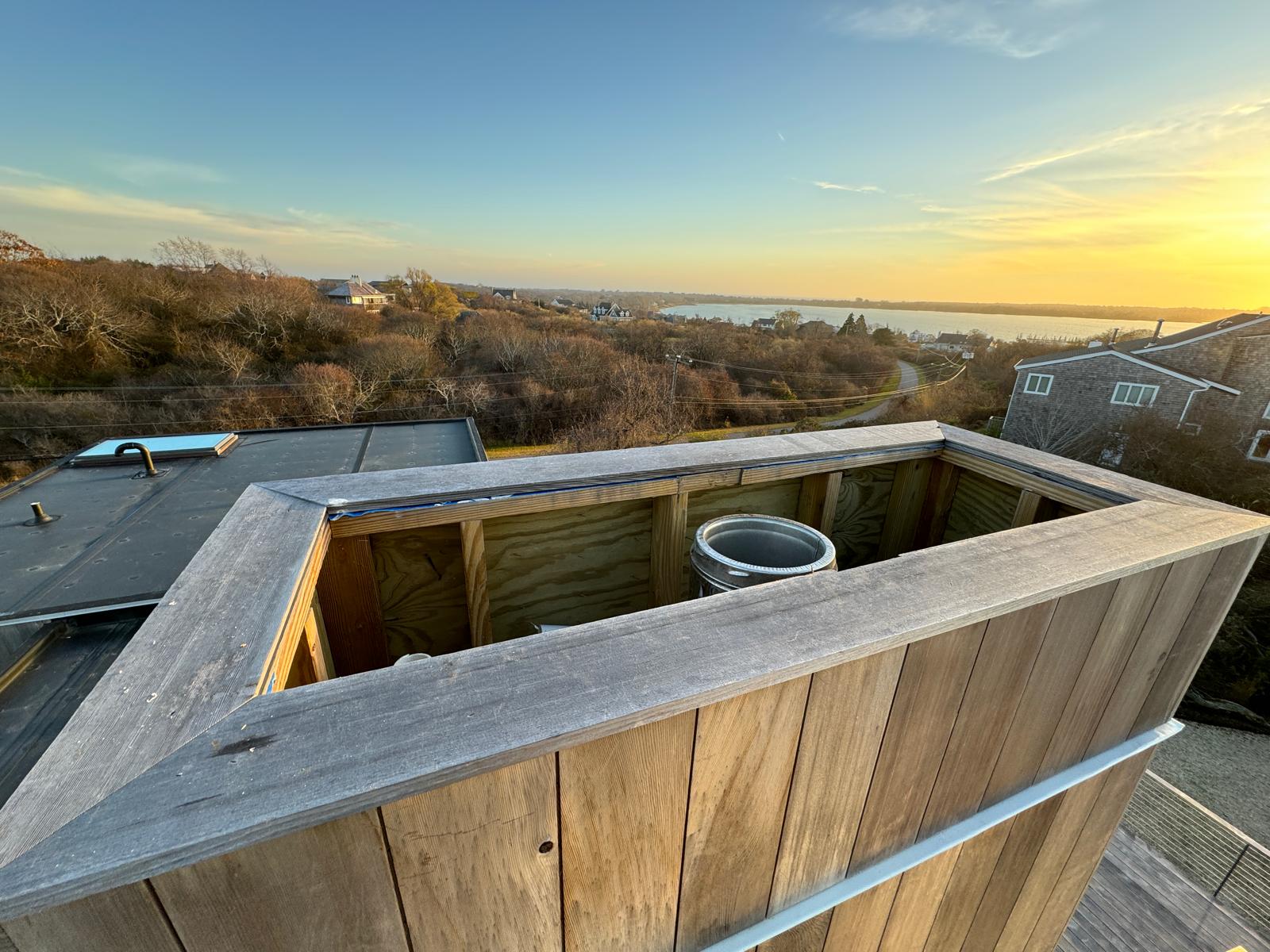
The same wood-clad chimney chase before its new cover, flue exposed
The same chase, before· Home Crew Construction

Adding a wood stove or fireplace insert is one of the most common reasons to reline a chimney. The appliance needs a flue sized to its outlet, connected directly to it, and most older masonry flues are far too big to draft well. Switching a furnace or boiler from oil to gas can also mean relining. Gas exhaust runs cooler and wetter, and the moisture it leaves behind can break down clay tile and mortar over time. If you are planning either change, have the chimney looked at first so the liner is part of the plan, not an afterthought.

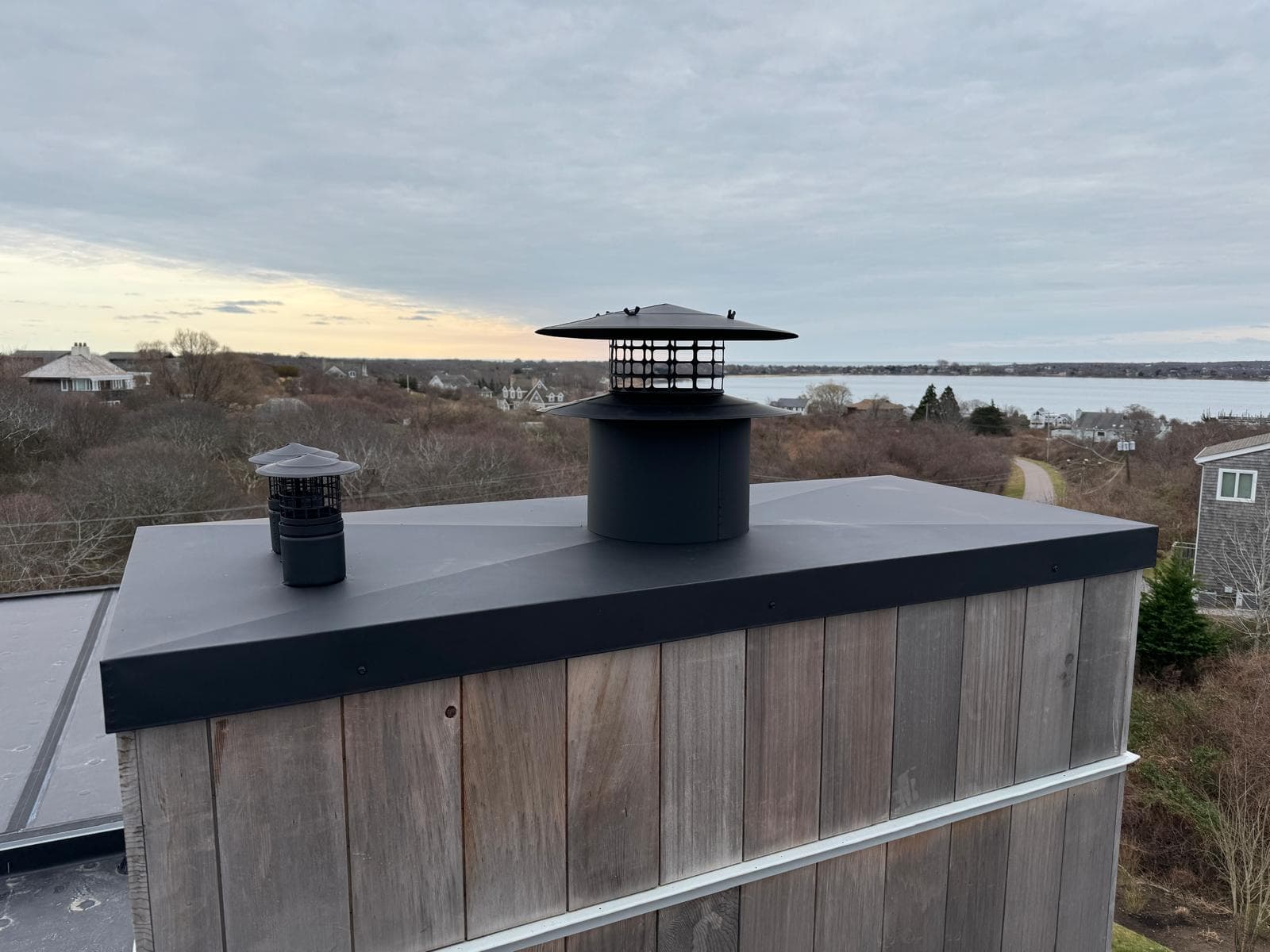
Our liner installation process

Illustration · CapA metal cover over the flue that keeps rain, animals and debris out.
  1. AssessmentWe inspect the chimney and measure the flue to size the liner for your fireplace or appliance.
  2. Choosing the linerWe explain the options and give you a written quote.
  3. InstallationWe install the liner so it fits snugly and connects properly at the top and bottom, with insulation where it is needed, and fit a chimney cap on top to keep rain out.
  4. TestingWe check that the chimney drafts properly and that there are no leaks.
  5. Clean-upOld liner pieces and debris leave with us.

Need help with chimney liners?

Free quotes, a reply within 24 hours, and we answer the phone 24/7.

5.0 on Google

Liner repair and maintenance

Stone chimney on a cedar shake roof, seen from above
Stone chimney on a cedar roof· Home Crew Construction

Not every damaged liner has to be replaced. Small cracks or gaps in clay tile can sometimes be repaired. Once a liner is in, a yearly sweep and inspection keeps it working. If the damage is to the chimney itself, see chimney repair.

Adding a stove or worried about your flue? Call 631-965-0881 or request a free quote. We reply within 24 hours.

Chimney liners FAQ

Common questions.

Still not sure?

Call 631-965-0881 any time. We'll tell you straight whether it's a repair or a replacement.

01

Does my chimney need a liner?

If you burn wood in it or vent a gas or oil appliance through it, yes. Building codes generally require one, and an unlined or cracked flue lets heat and gases reach the structure of the house.

02

Can a liner be installed in an existing chimney?

Yes. Most relining is done from the top of the chimney without taking the masonry apart, usually with a metal liner sized to your fireplace or appliance.

03

Do I need a new liner for a wood stove or fireplace insert?

Usually. A stove or insert needs a flue sized to its outlet, and older masonry flues are often too large to draft well. A properly sized liner fixes that.

04

How do I know if my chimney liner is cracked?

You usually can’t see it from the fireplace. It shows up during a sweep and inspection, or when pieces of tile fall into the firebox.

Questions about chimney liners? Let's talk.

Free, no-obligation quotes. We reply within 24 hours, and we answer the phone 24/7.

5.0 on Google · 10-yr labor warranty on new roofs

Call NowFree Quote
24/7 Emergency

Emergency · open 24/7

Roof leaking right now?

We answer day or night, stop the water first, then plan the repair.

Tap to call631-965-0881

5.0 on Google